PICTOFORM
Guidance lines
- Make public spaces accessible for everyone
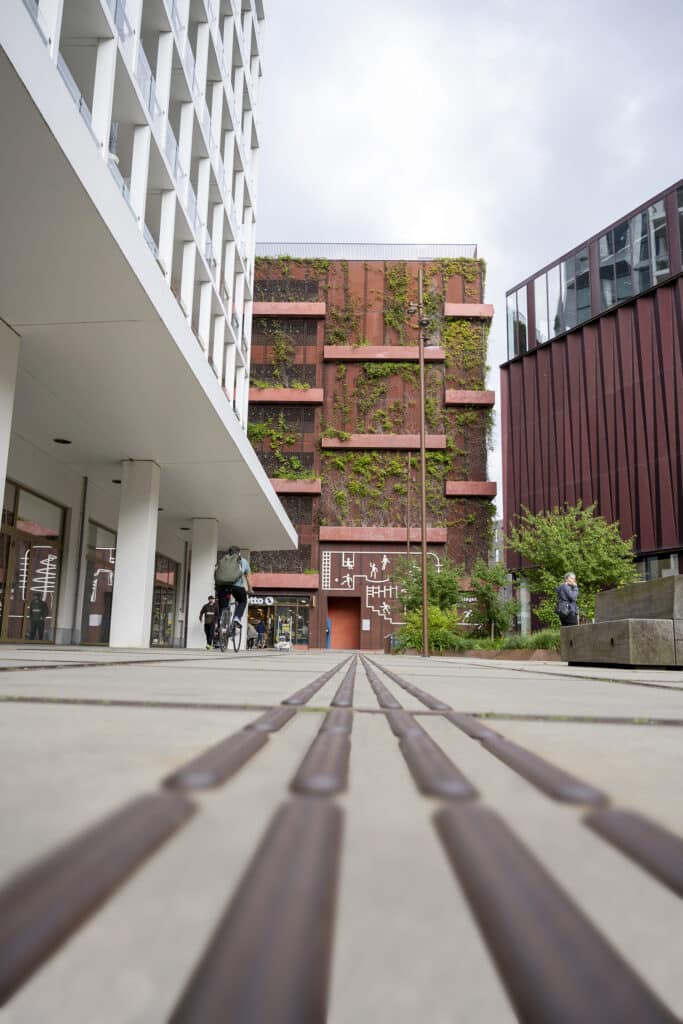
GH Form offers Europe's widest range of tactile guidance lines for blind and partially sighted - known as Pictoform®. For 20 years, we have been developing high-quality tactile guidance lines. The tactile indicators are tested and approved by blind and partially sighted people. These guidance lines make your urban space safer, more user-friendly and inclusive.
What is a tactile guidance line?
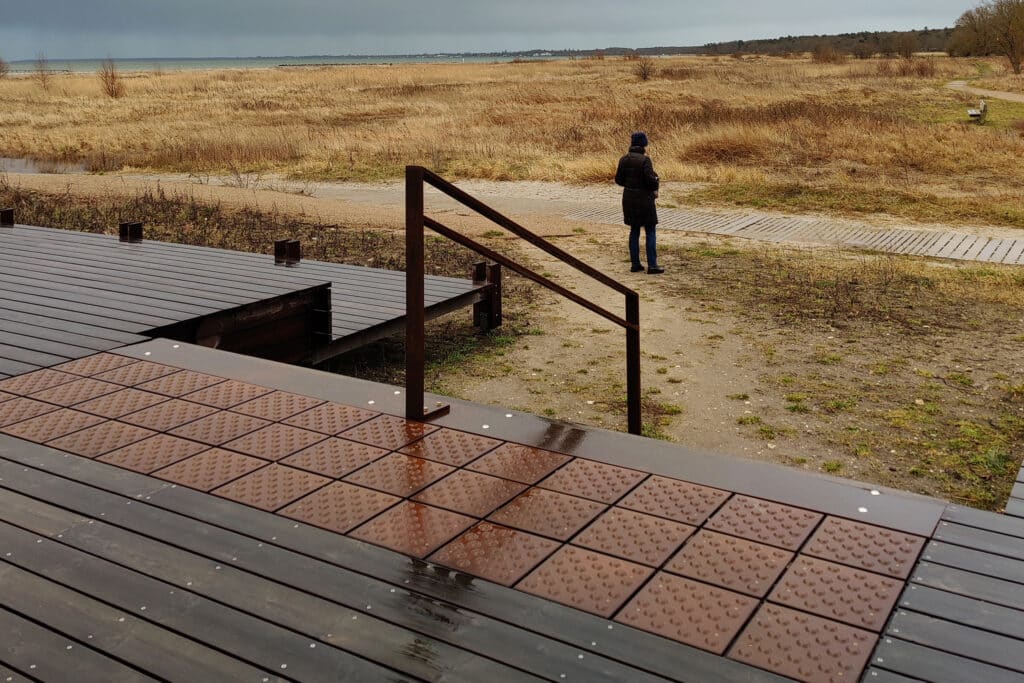
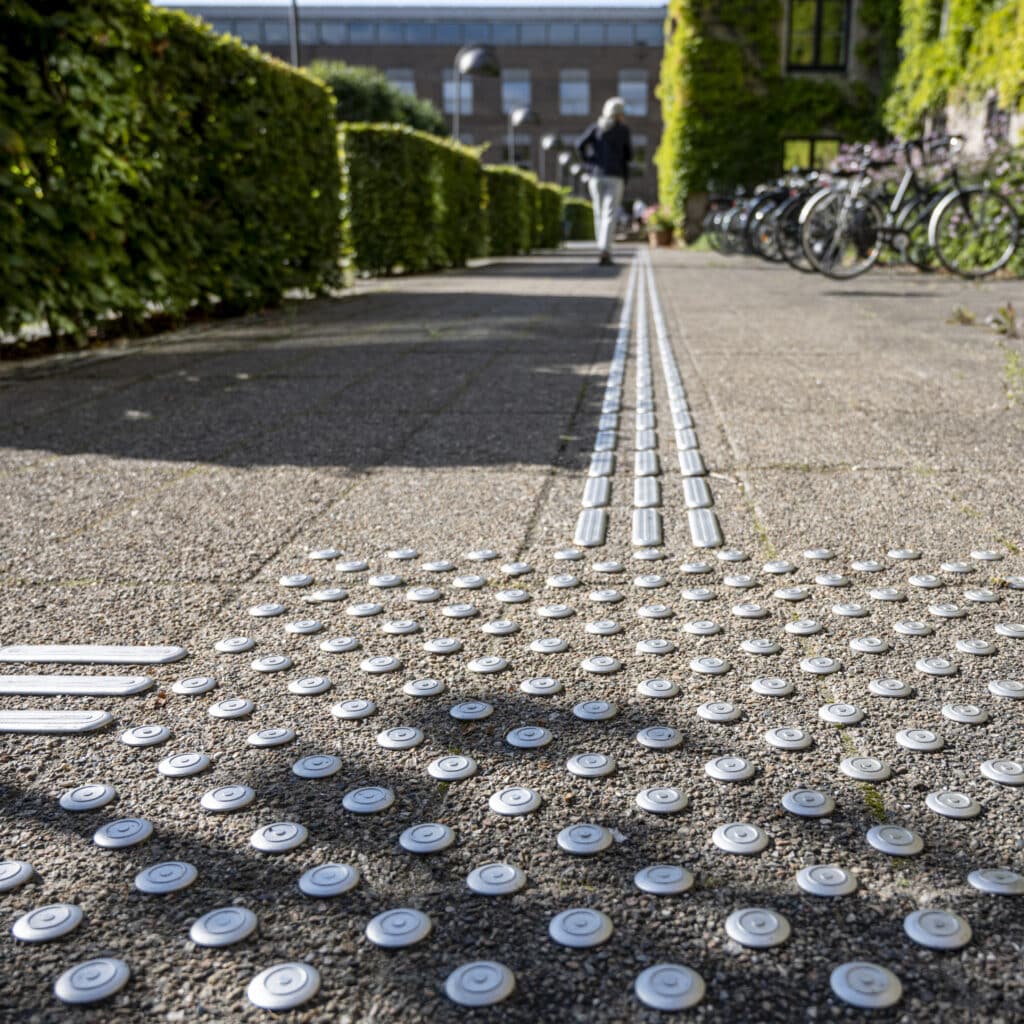
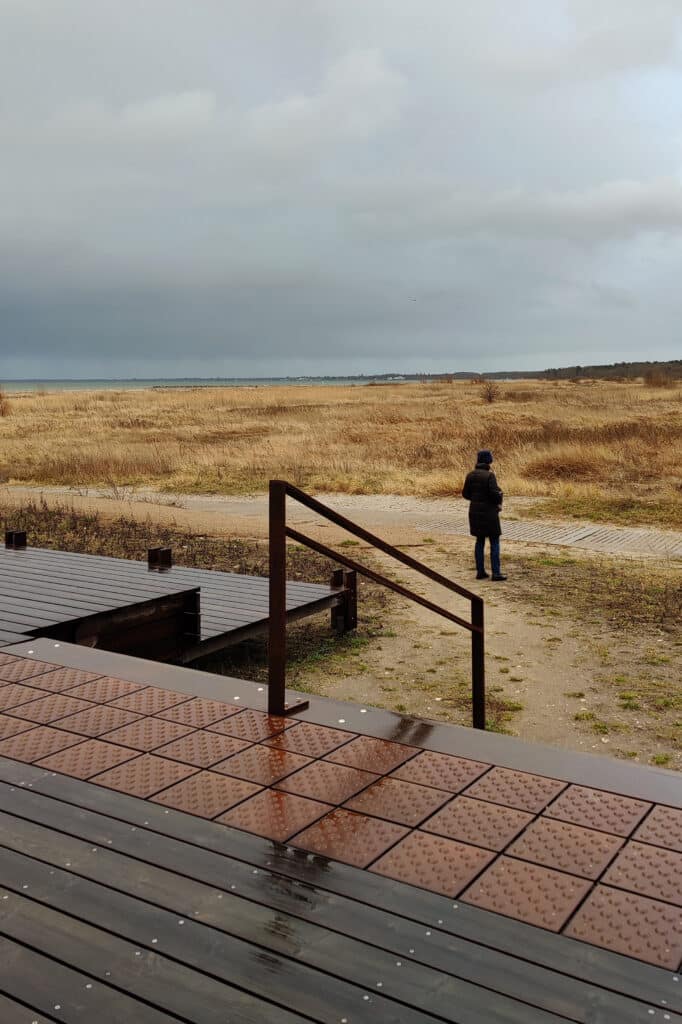
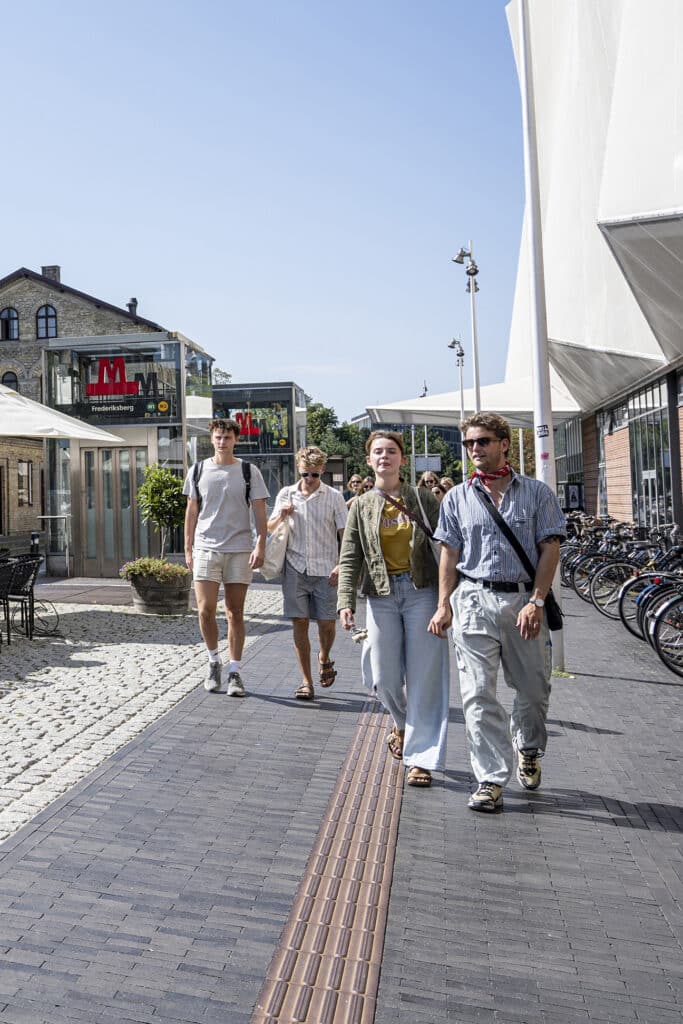
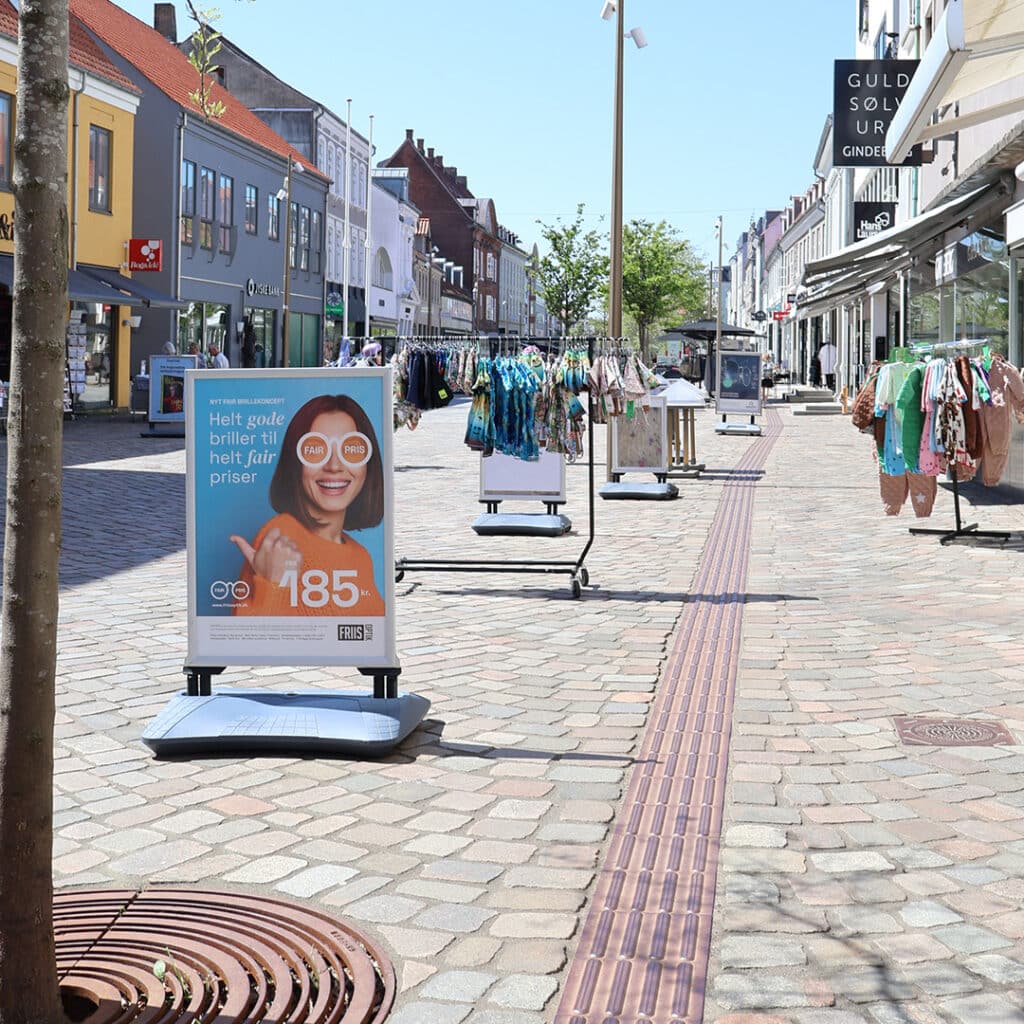
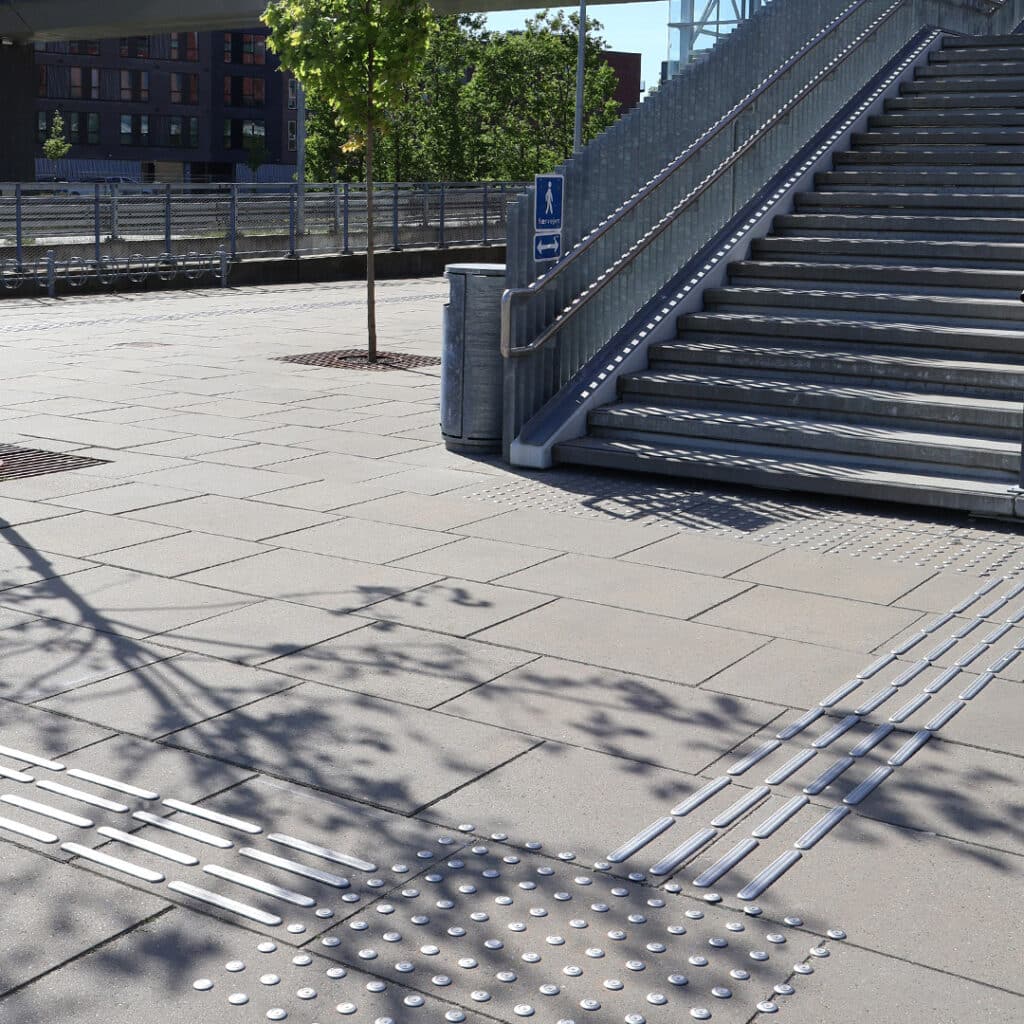
A tactile guidance line is a line with a detectable surface, such as grooves or studs, that enables blind and partially sighted people to find their way. The word "tactile" means noticeable or perceptible by touch. Tactile guidance lines are often used at traffic junctions, open squares, pedestrian areas and city centres. Tactile tiles with surfaces such as raised domes can also be used to alert blind or partially sighted people to an upcoming obstacle, such as a staircase or a pedestrian crossing.
Paving slabs
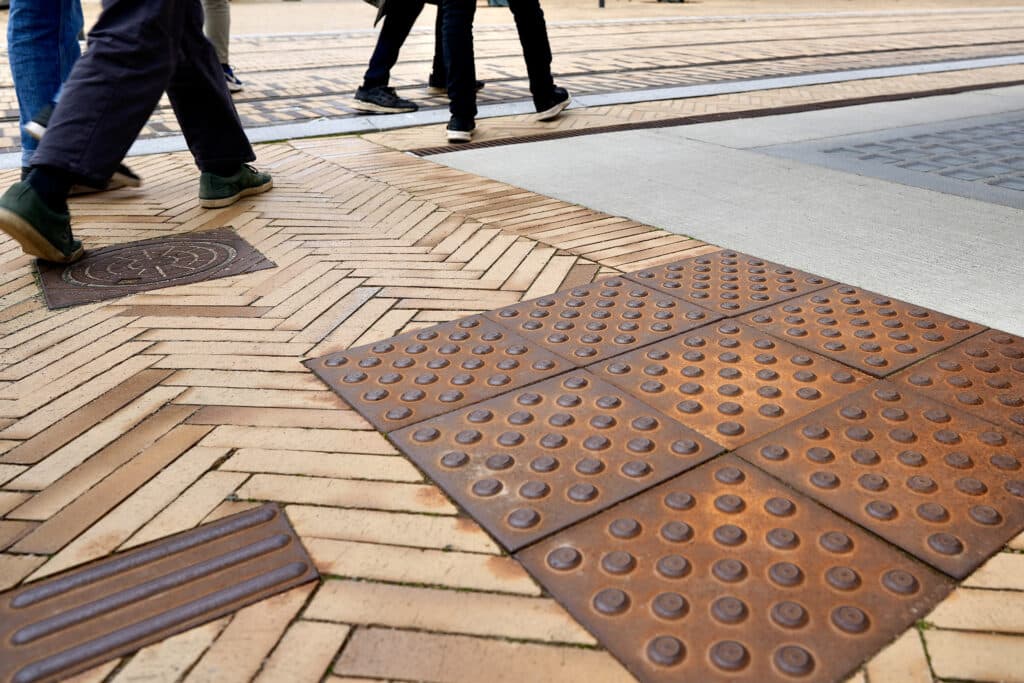
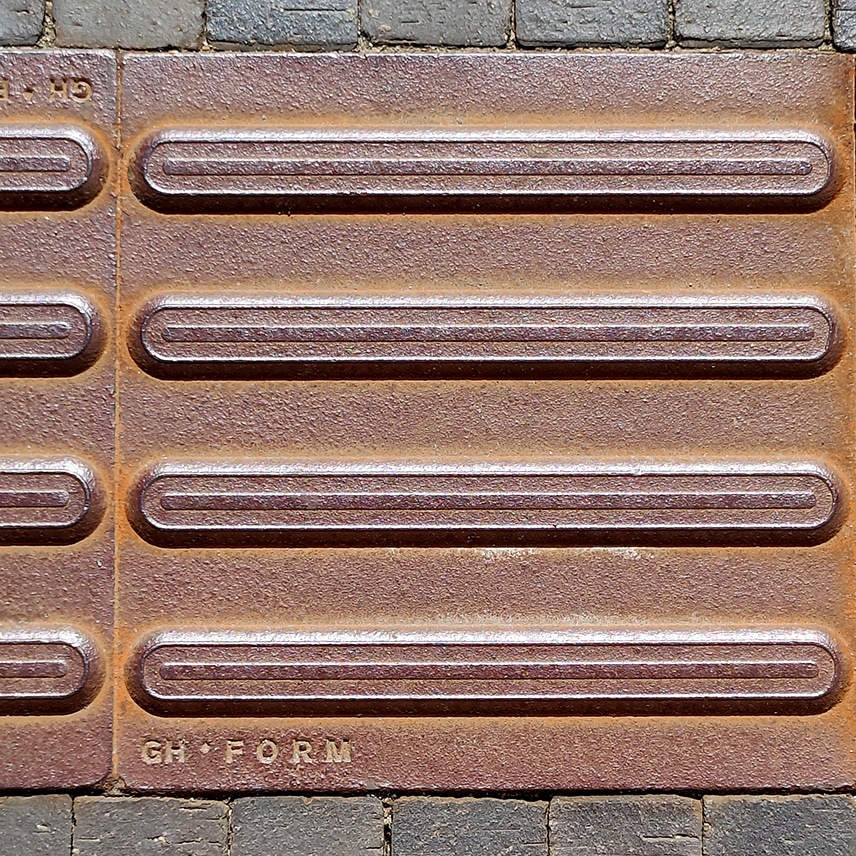
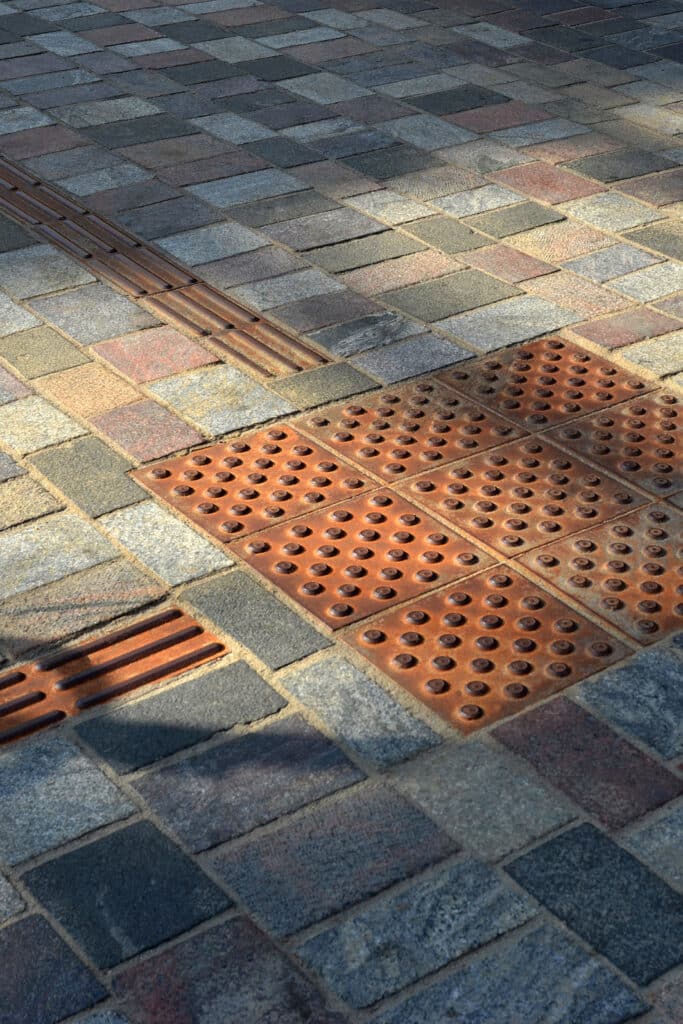
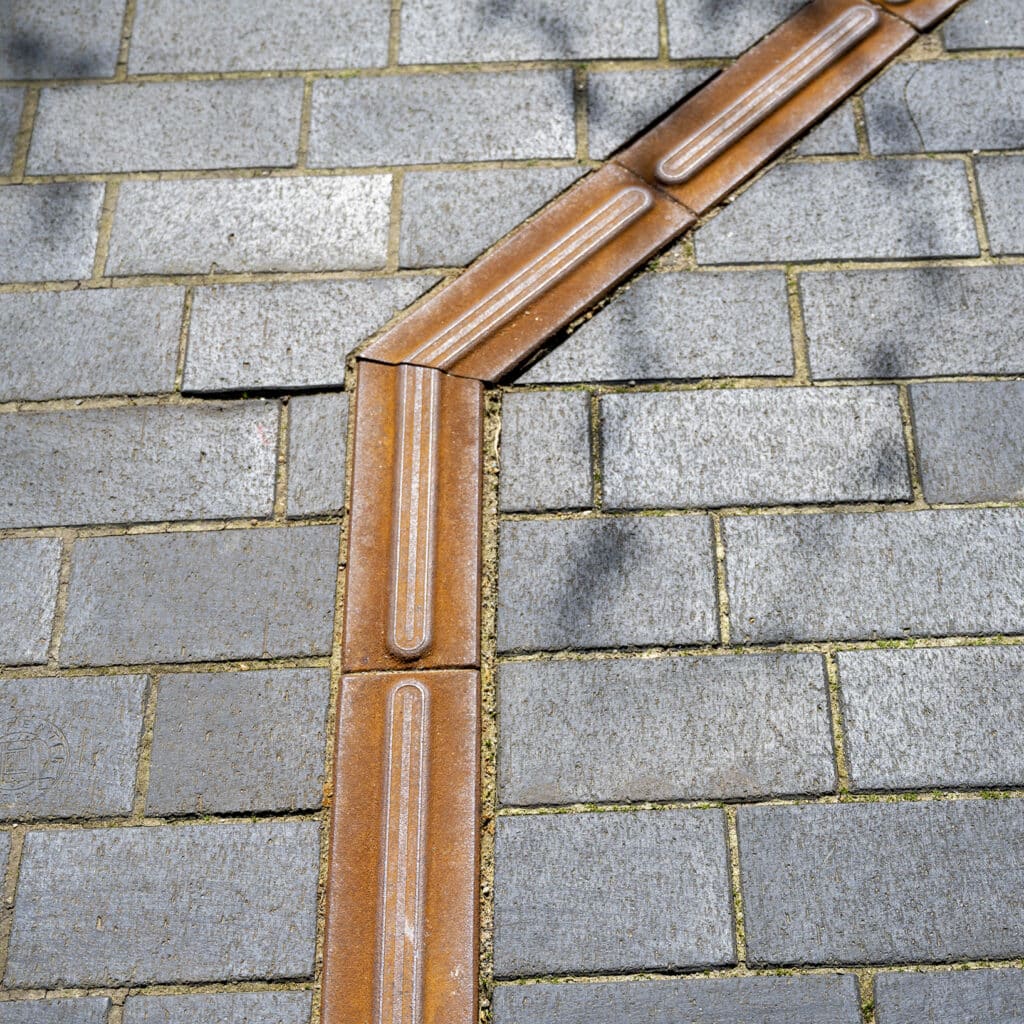
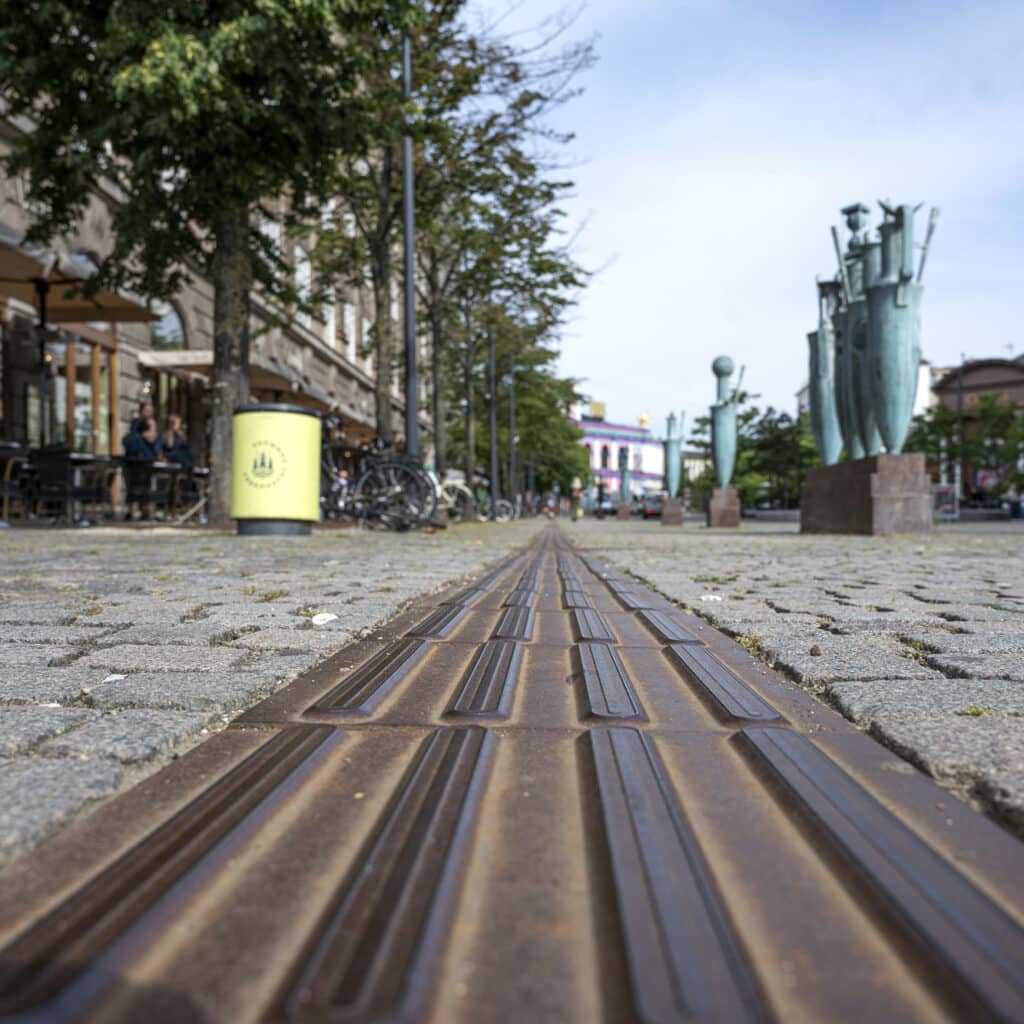
The tactile cast iron paving slabs are extremely durable and can be used in combination with other types of paving. The slabs have integrated tactile markings with guidance lines or warning knobs. In addition, they produce an acoustic sound that can be heard when using a mobility cane. This acoustic feedback provides an extra level of assistance for blind and partially sighted.
Tiles
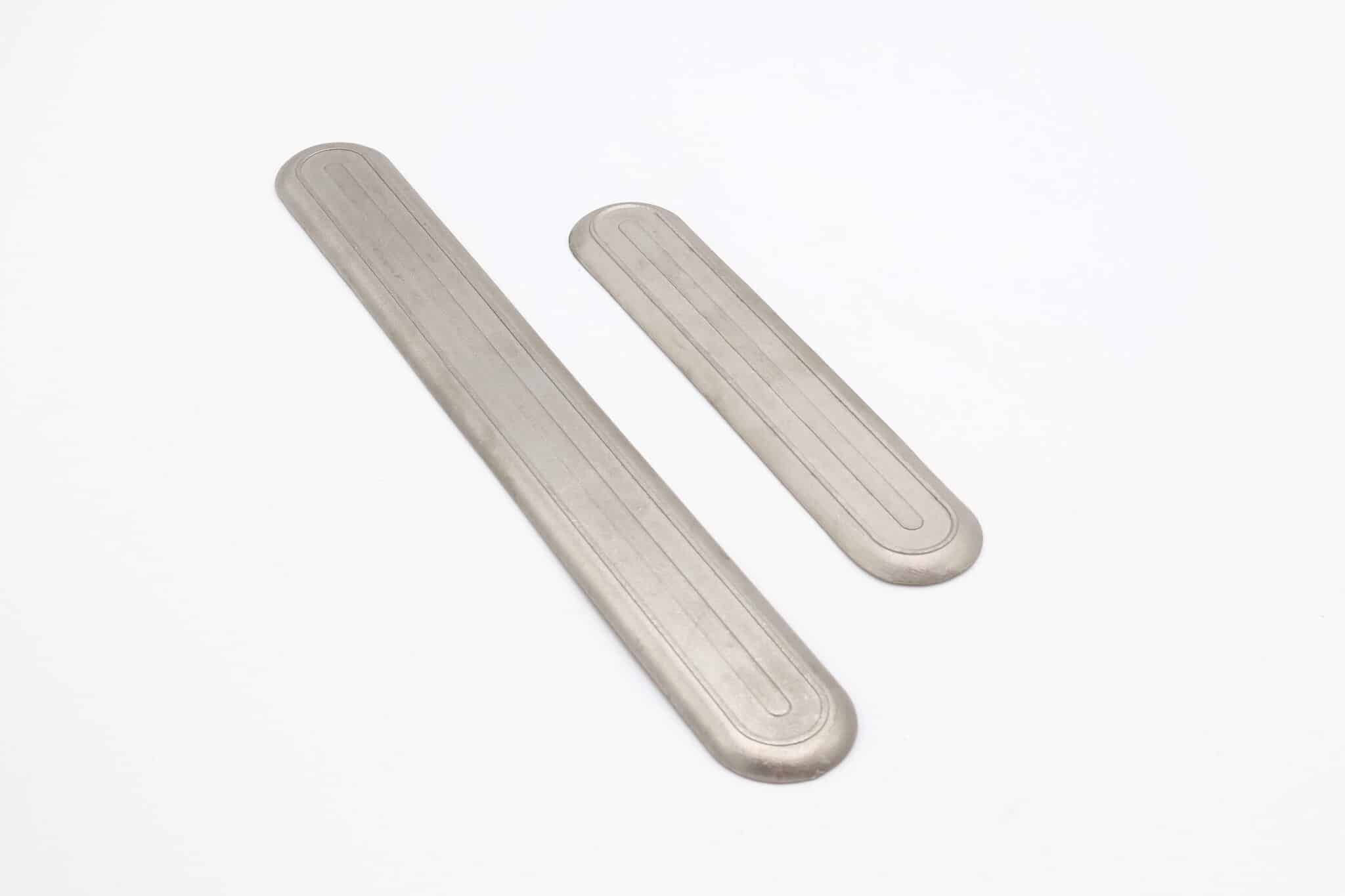
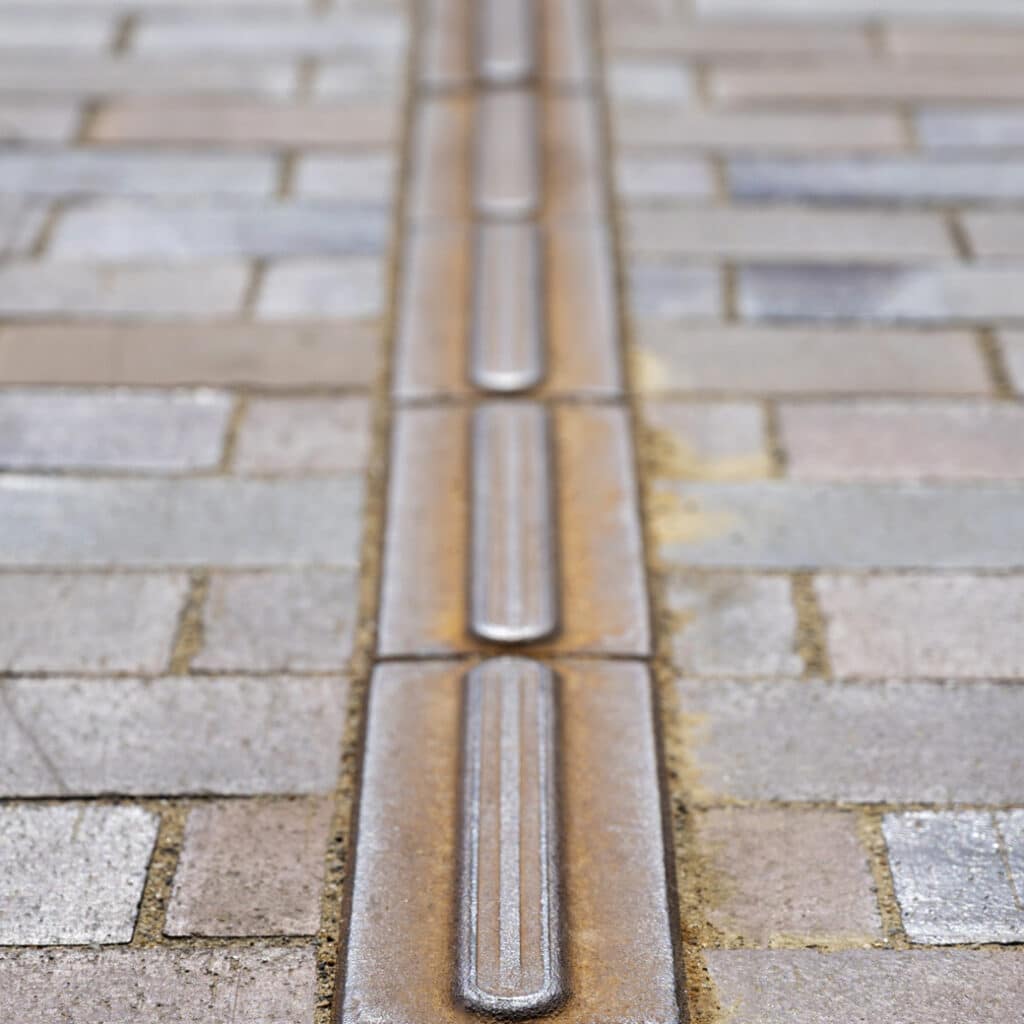
Tactile tiles with guidance lines are produced in cast iron in the same design as the paving slabs. The 8 mm high cast iron tiles are fixed onto the existing paving surface. The underside of the tiles is cast with grooves for optimal adhesion. The tiles are easy to install, and like the paving slabs, they are extremely durable.
Solo elements
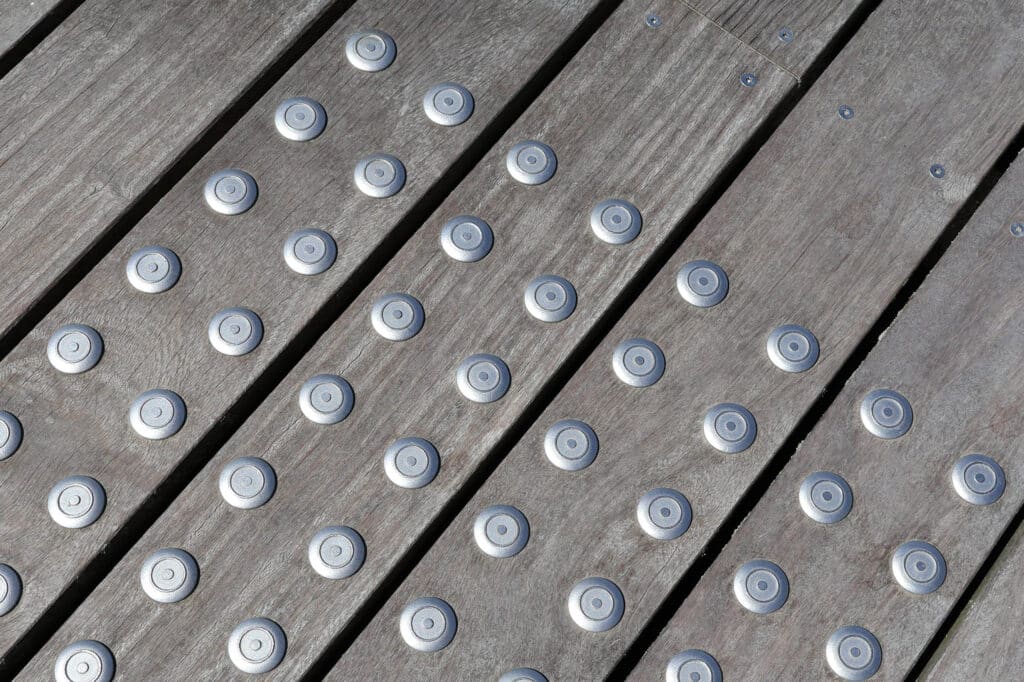
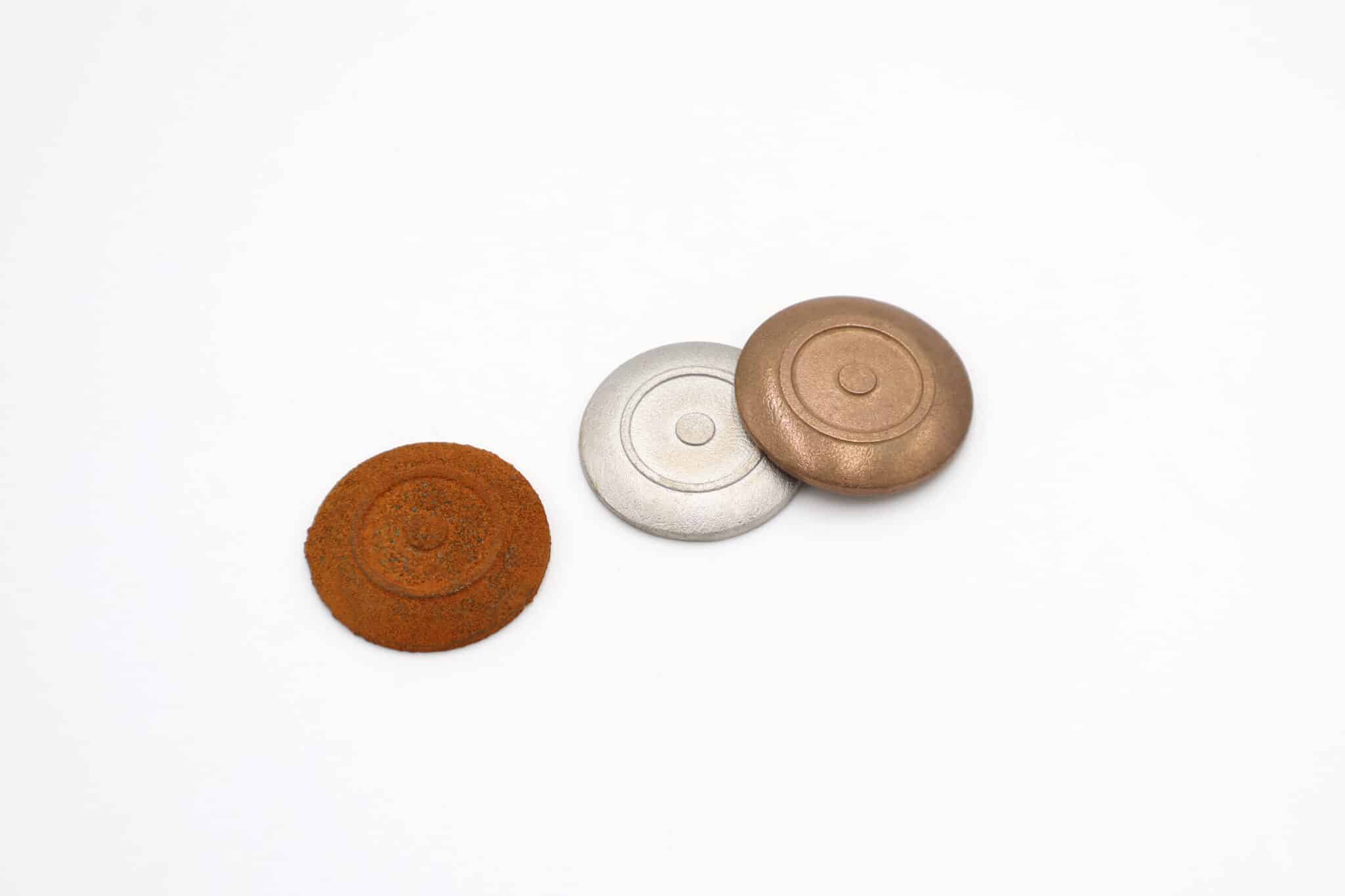
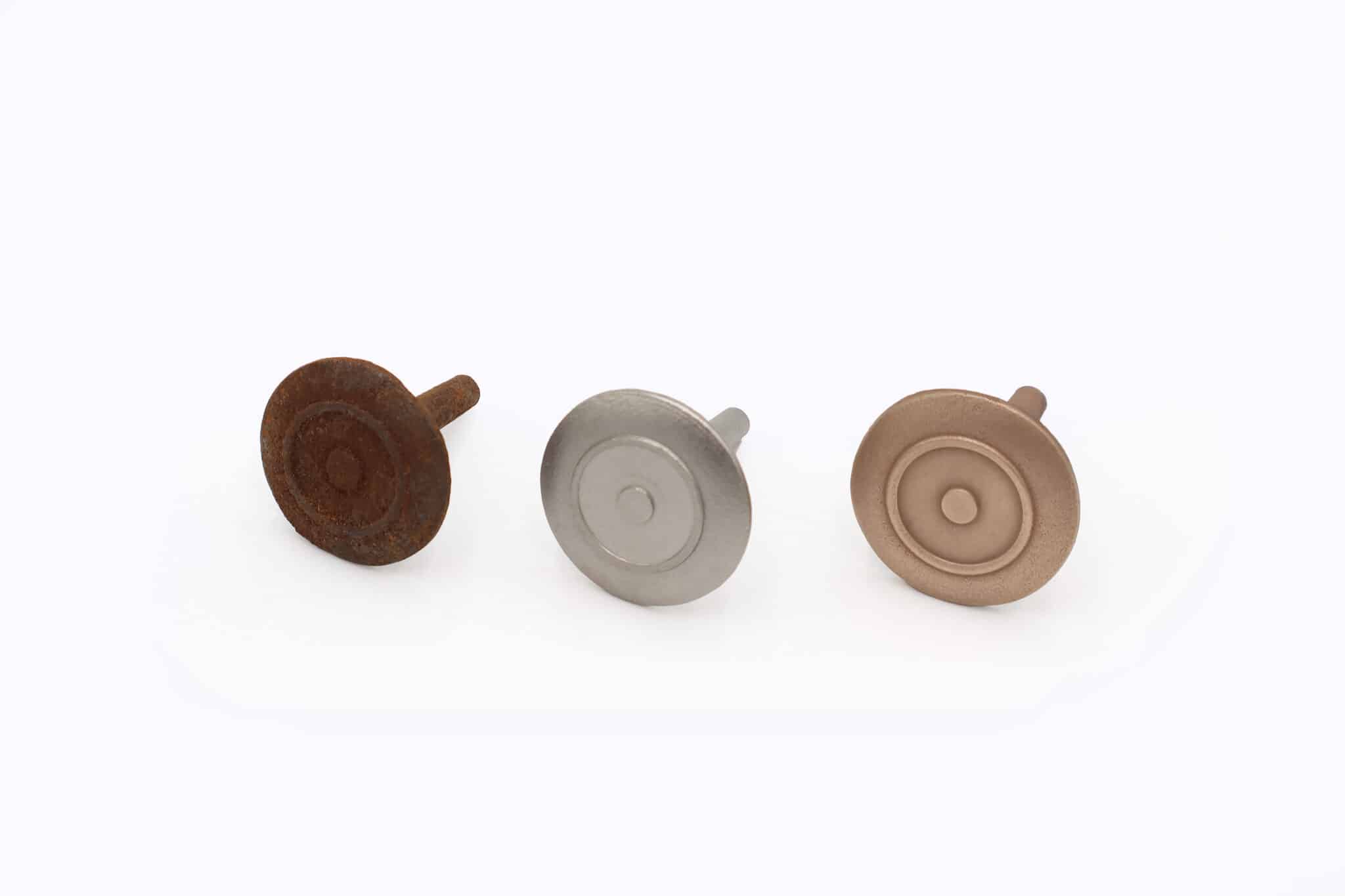
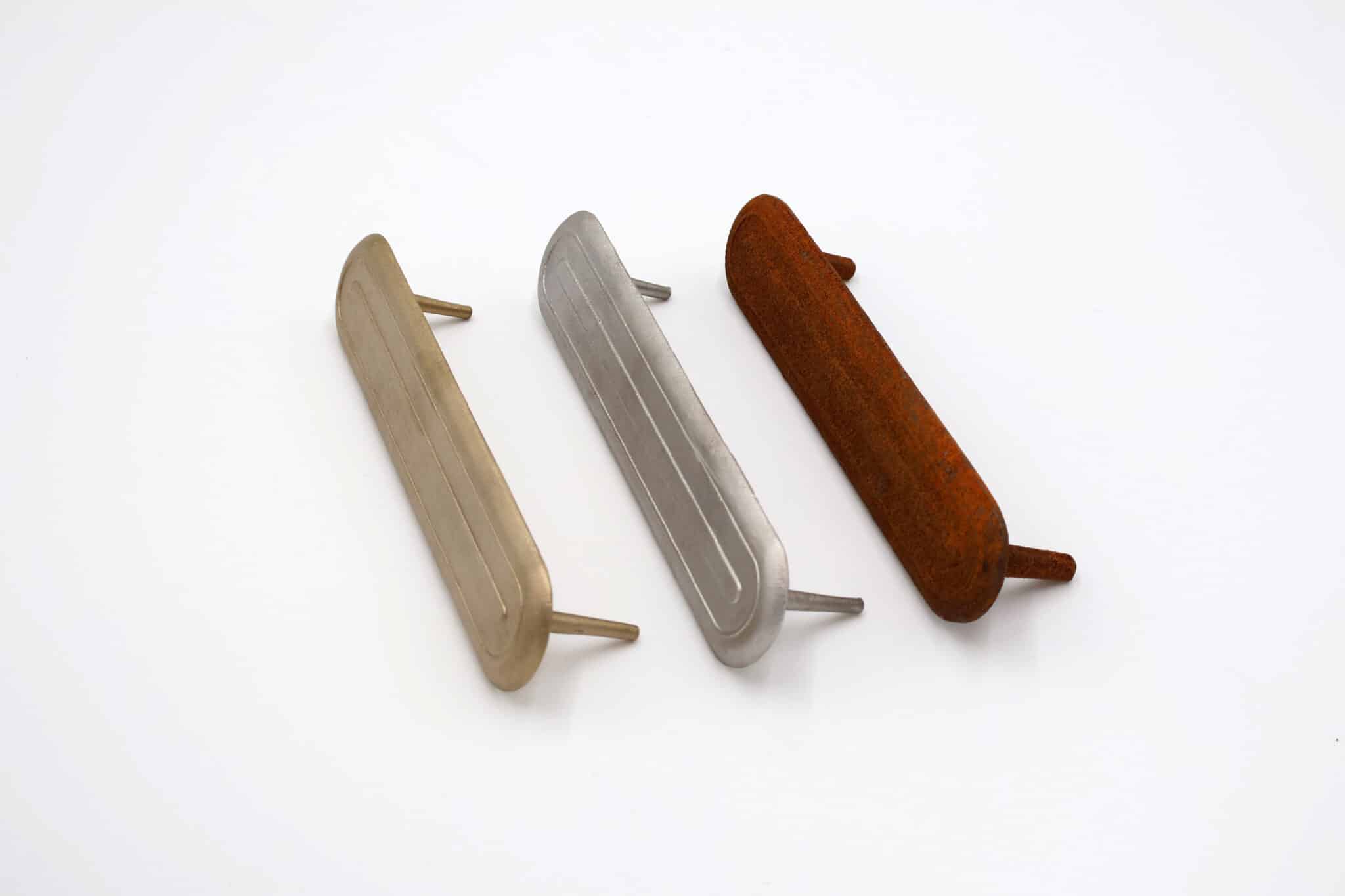
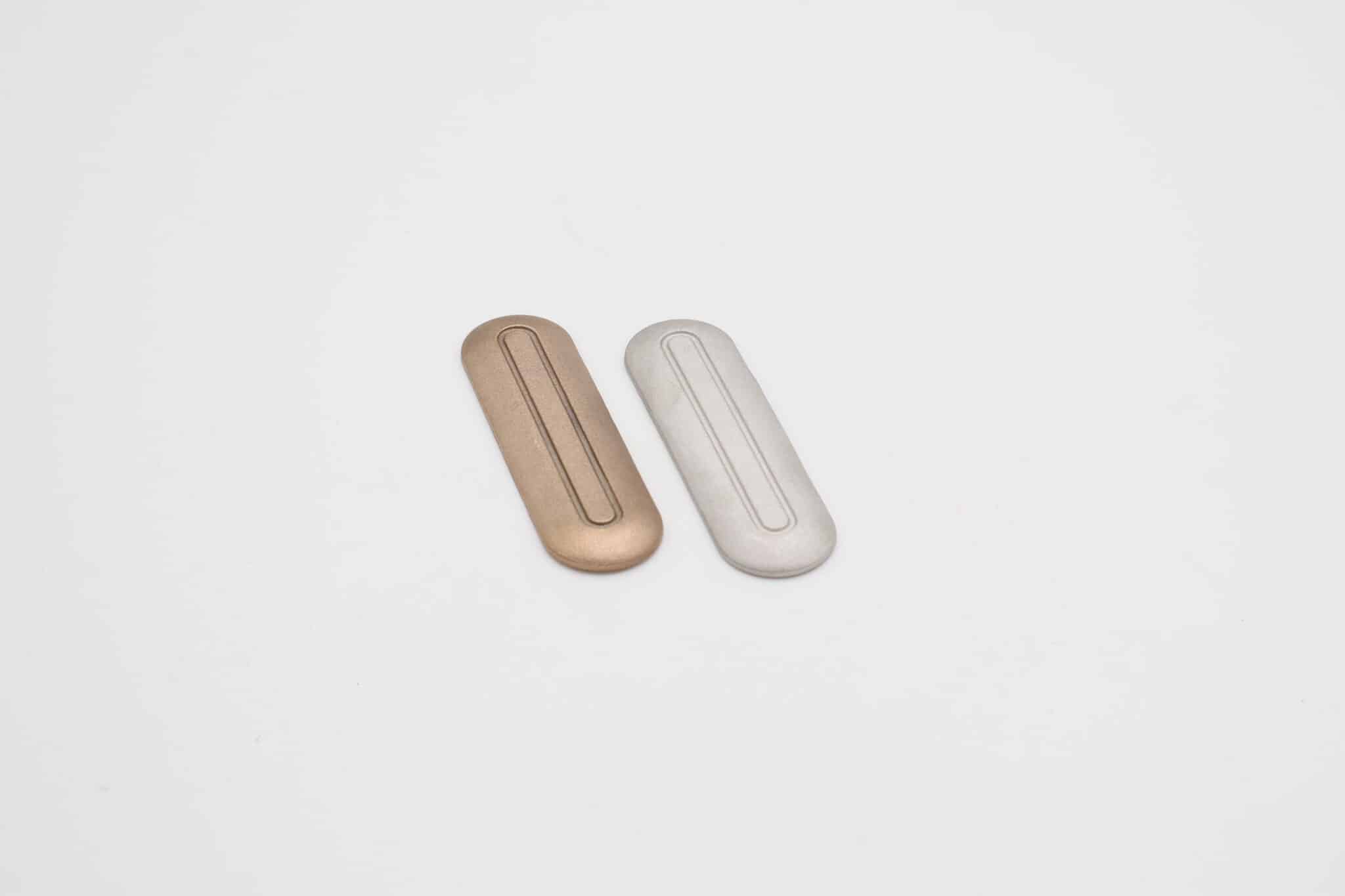
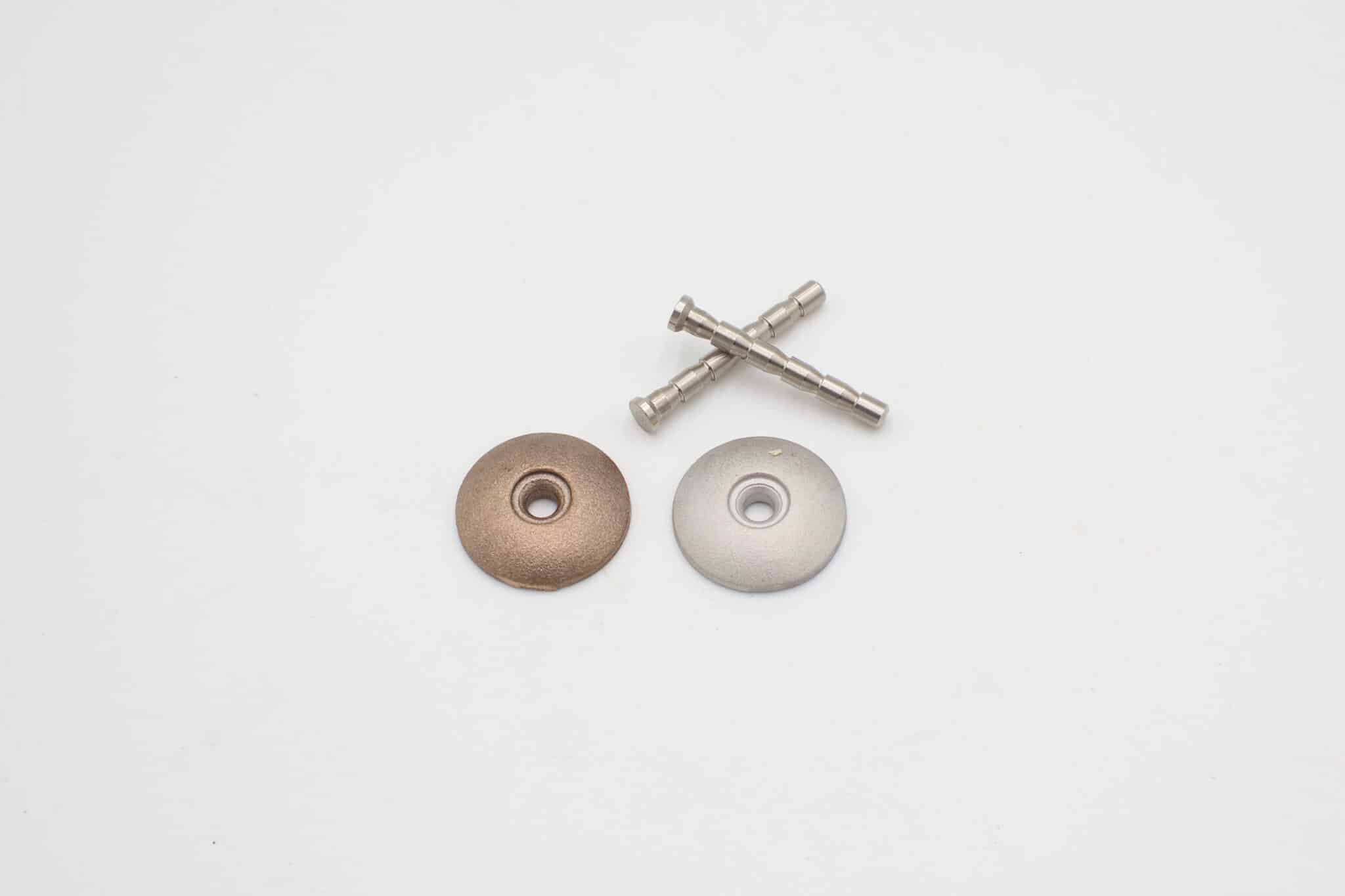
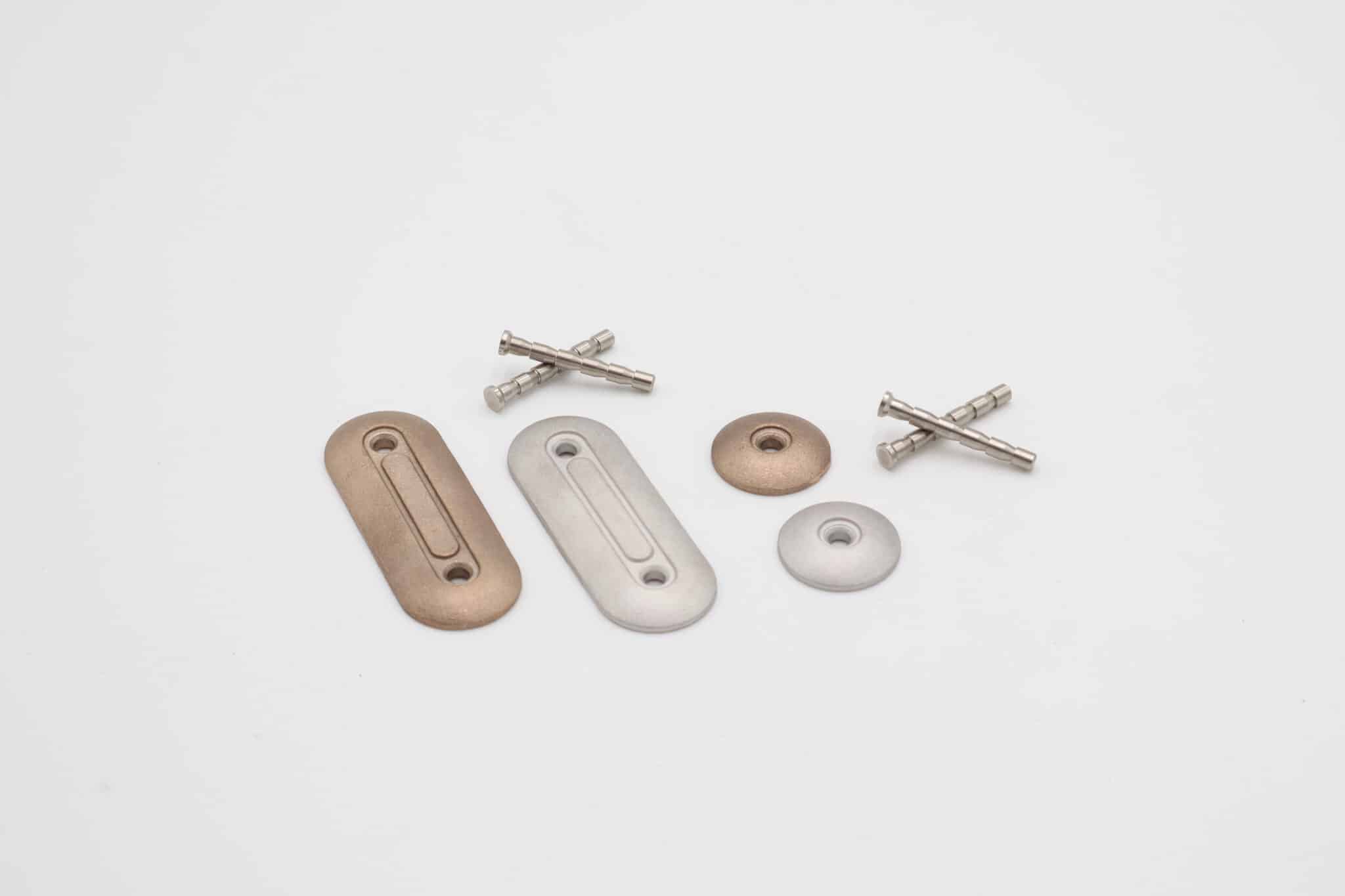
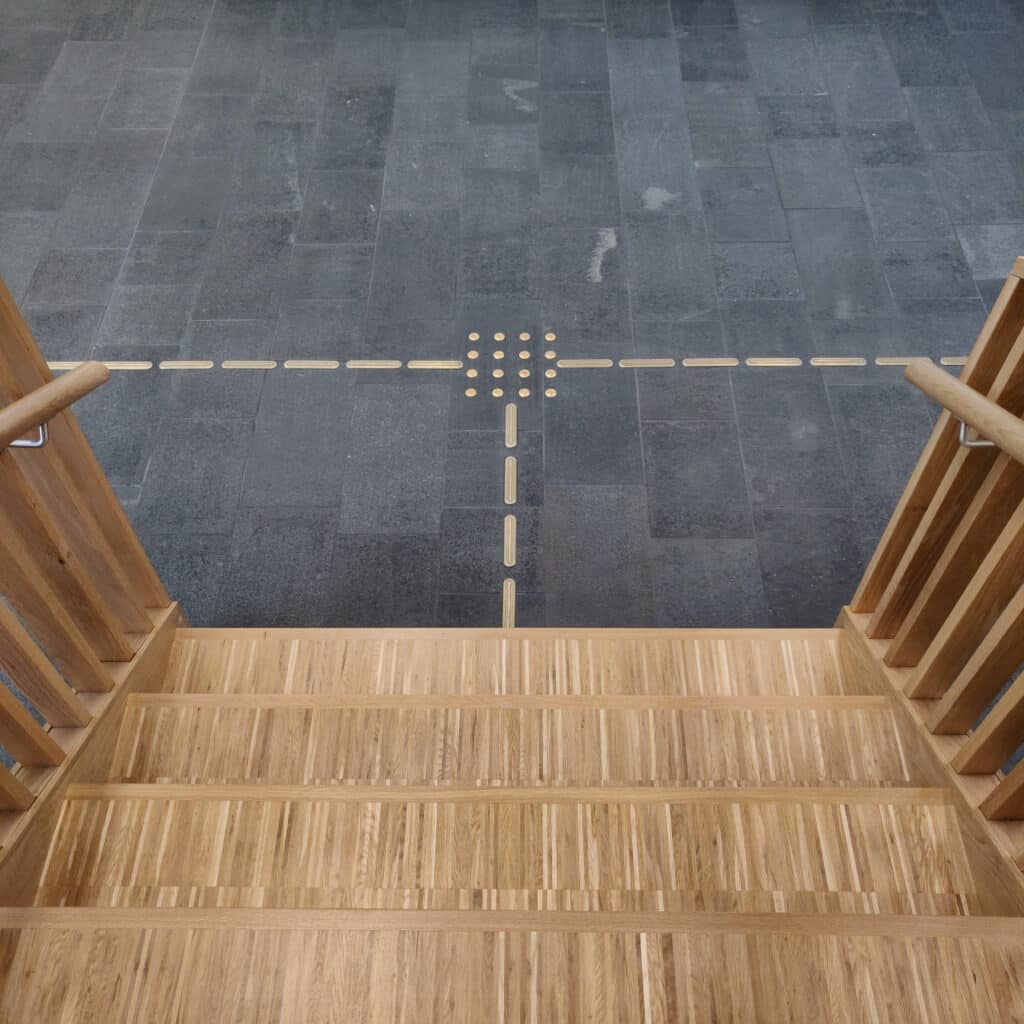
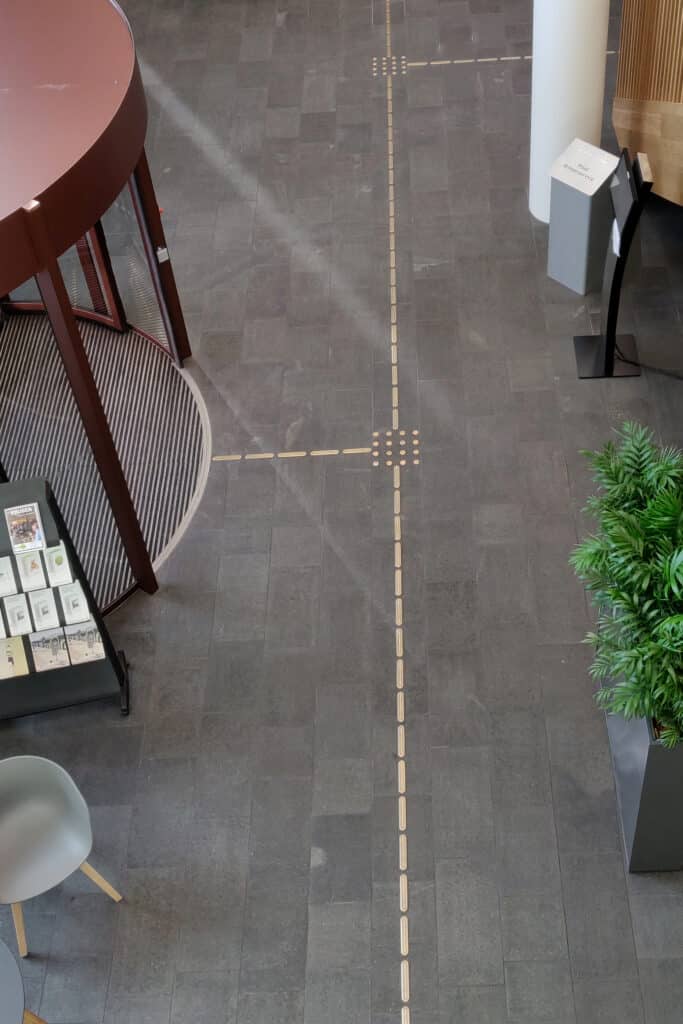
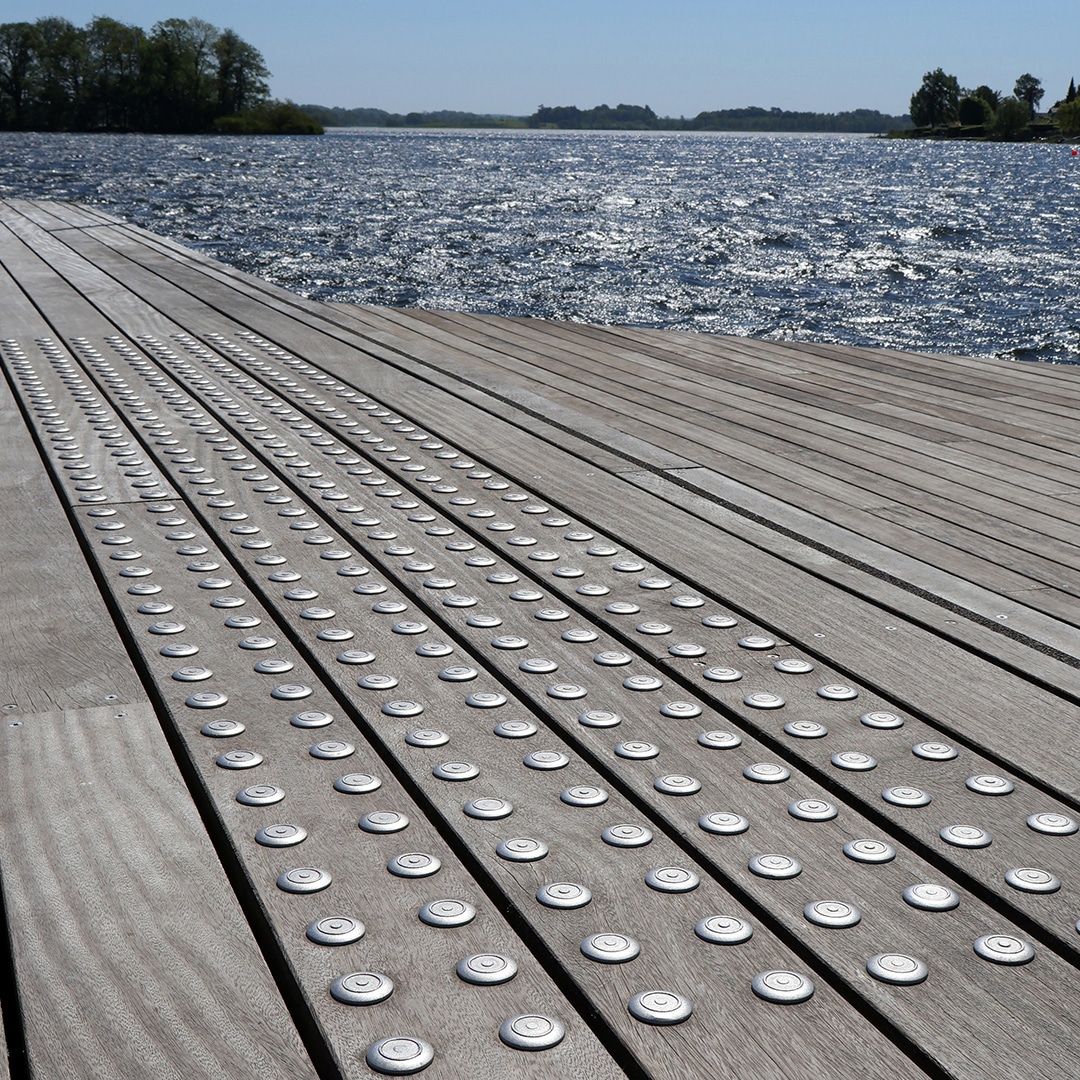
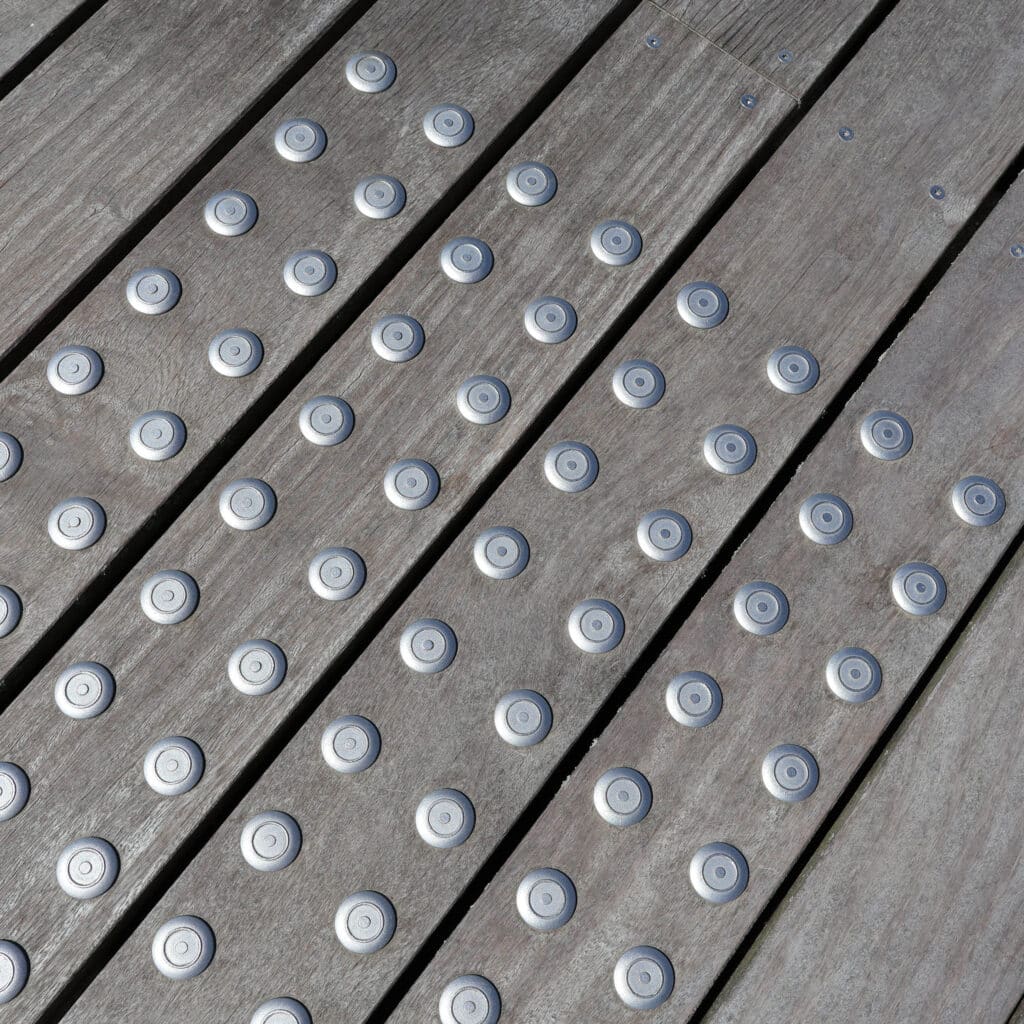
Solo elements are guidance elements that are installed individually onto the existing surface. They can be installed both outdoors and indoors and are highly suitable for areas such as reception desks, lifts, toilets, main entrances. The solo elements are available in cast iron, stainless steel or bronze - all materials with high durability.
Benefits of our tactile guidance lines
Award-winning Danish design
GH Form's tactile guidance lines Pictoform® are created in collaboration with Knud Holscher and landscape architect Charlotte Skibsted. Our Pictoform® guidance lines have won the Danish design award ID Prisen and the global design award iF Award.
EPD documented
Our cast iron guidance lines are - as the only ones on the market - EPD-documented in accordance with recognised European and international environmental standards. The guidance lines are cast in 100% recycled iron, ensuring a minimal CO₂ footprint.
Danish quality
We manufacture the cast iron guidance lines at our foundry in Borup. This ensures high quality, qualified expertise and reliable delivery. With Pictoform® guidance lines, you get a product that lasts for generations.
Choose the right material - our guidance lines and solo elements are available in several materials
Cast iron, Stainless steel or Bronze
Cast iron
The cast iron guidance lines are made from recycled iron and are EPD-documented. They have high wear resistance and durability. They are particularly well suited for light-coloured paving surfaces - here, the dark colour of the cast iron provides a strong contrast, making it easier for visually impaired people to locate and follow the guidance lines.
Stainless steel
The solo elements in stainless steel are acid-resistant and highly durable. They provide an effective contrast to a dark paving surfaces, making them more visible to visually impaired people. The stainless steel solo elements can also be fitted with a contrasting colour to make them even more noticeable. They are also produced with a luminous contrast colour that glows at night. The light-sensitive particles in the elements charge during daylight hours, even under low light conditions.
Bronze
The solo elements in bronze give an exclusive appearance to your project. The elements are made from high-quality bronze that is acid-resistant and highly wear-resistant.
A world of possibilities
Advisory guidelines
At stairs
At least 300 mm before the top step of the stairs, an attention field of 600 mm must be placed across the full width of the staircase.
At changes of direction
A square or circular attention field is placed where
guidance lines meet, perpendicular to the attention field.
At pedestrian crossing
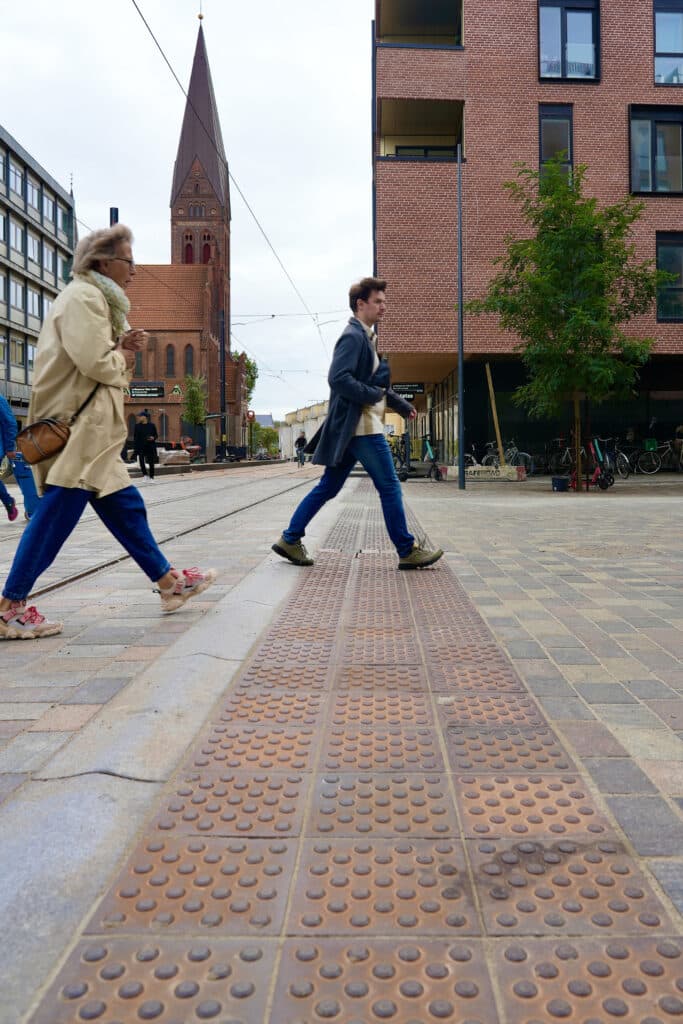
At least 300 mm before the stopping point, an attention field of at least
600 mm is placed across the width of the pedestrian crossing.
Long stretches
Guidance lines are laid so that they follow the natural walking lines and can be detected by foot or cane.
Indoor guidance lines
Indoor guidance lines are often used in public buildings, for example at reception areas, lifts, toilets, and routes to and from the main entrance.
At open squares
On large open squares, plazas, etc. where there are no other orientatation points, a guidance line with attention fields is established.
Frequently asked questions
What is the difference between Pictoform® 26 and Pictoform® 36?
Pictoform® 26 is available in two sizes: 26 x 70 mm and 26 x 90 mm. The knob element measures Ø26 mm.
Pictoform® 36 is available in sizes: 36 x 180 mm and 36 x 290 mm. The knob element measures Ø36 mm.
Pictoform® 36 is more noticeable and distinctive. In addition, the paving slab produces a sound when touched with the mobility stick. Pictoform® 36 is most often used outdoors.
Pictoform® 26 provides a softer wavy and organic line. Pictoform® 26 is most often used indoors but can of course also be used outdoors
What is meant by the cast iron paving slab having good acoustics?
The cast iron slab has the advantage that the sound it produces when lightly tapped with a mobility cane helps guide blind and partially sighted people. The acoustics from the cast iron are an additional element that helps blind and visually impaired users identify that they are on the guidance line.
We recommend cast iron slabs and tiles (depending on the paving type) for newly established paving, while solo elements are recommended for existing paving.
How do I calculate the quantity of solo elements?
We assist with quantity calculations for Pictoform® 26 or Pictoform® 36 - solo elements or slabs.
When do you use the guidance line, and when do you use the knob element?
The system is very simple, with two elements for markings:
Here you can create stop/attention markings, a stretch or a change of direction; for example at pedestrian crossings, the direction across the street is indicated using the elements.
The guidance line consists of a repeated elongated shape and means "go", while the knob element, which is placed in fields, means "full attention".
Can we use your guidance lines indoors?
Yes, guidance lines can also be installed indoors. They may be needed at reception areas, lifts, toilets, and routes to and from the main entrance. Indoors, a smaller attention field may be sufficient, as walking speed is generally lower indoors than outdoors. It is primarily the solo elements that are installed indoors.
How are the solo elements installed?
We recommend that the solo elements are installed by GH Form's own installers or by one of our trusted partners in the Nordic region. Only in this way we can guarantee the durability of the installed guidance lines and attention fields. The solo elements are installed by gluing them directly to the paving, which works well in many indoor locations, or by drilling them with a mandrel where possible.
Can a template for installing the solo elements be ordered?
Yes, if you choose to install the solo elements yourself, we always recommend purchasing templates for installation.

Why choose solo elements with a contrast colour?
We manufacture Pictoform® 36 solo elements with a contrast colour. This can be a red, white, black or luminous colour.
For extra accentuation of guidance lines and attention fields, the contrast colour can be chosen with a luminous effect in the cast epoxy.
The light sensitive particles in the elements charge during daylight hours, even under low light conditions. In darkness, the elements emit a fluorescent light effect that remains visible throughout the night.
Is environmental documentation available for your guidance lines?
Yes, our cast iron guidance lines are EPD documented - an environmental product declaration developed in accordance with recognised European and international standards, meeting the requirements of EN 15804.